Pirata One Blackletter Font: A Merch Review
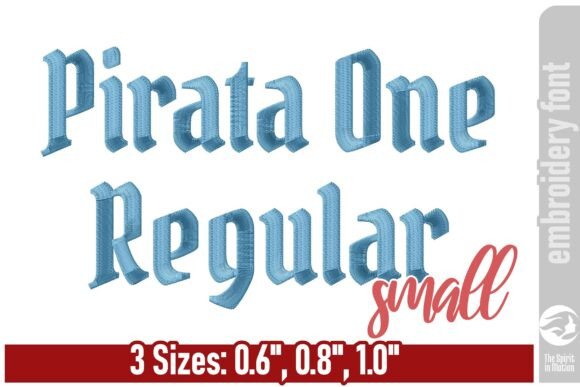
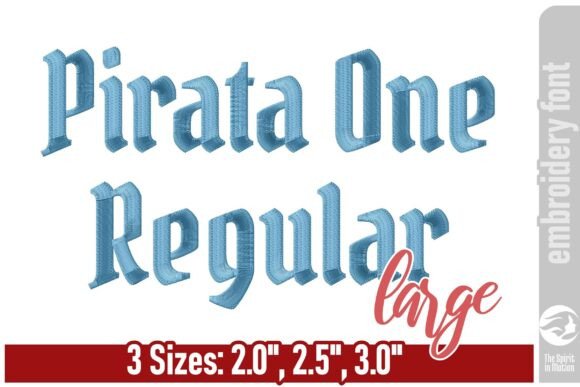
As an embroidery designer specializing in branded merchandise for small businesses, I approach every new typeface with a critical eye. It is not enough for a font to look beautiful on a screen; it must perform under the needle. When evaluating the Pirata One Blackletter Font - Medium for commercial application, my primary concern is how this gothic-inspired lettering translates into physical thread. For small business owners, Etsy sellers, and apparel decorators, choosing the right typography can define your brand identity. This review examines the practical performance of Pirata One specifically for embroidered patches, custom apparel, and boutique merchandise.
First Impressions: Bold Gothic Flair for Modern Brands
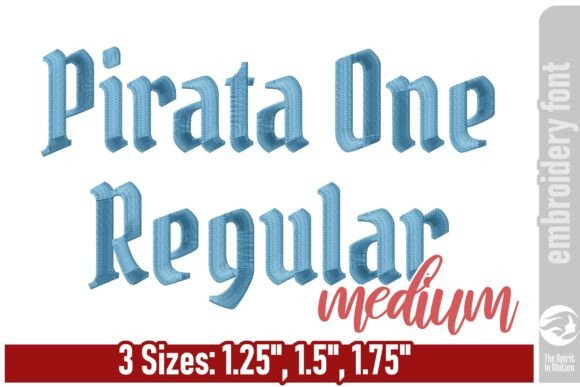
The immediate impression of Pirata One Blackletter Font - Medium is one of confident tradition. Inspired by historical blackletter calligraphy, it carries a weight and authority that standard sans-serif fonts simply cannot achieve. However, unlike some overly ornate gothic scripts that become muddy when stitched, the "Medium" weight of this design offers a necessary balance. It feels professional yet distinctly handmade, making it ideal for businesses that want to convey heritage, craftsmanship, or artisanal quality.
For a creative studio, bakery, or florist, this font signals a premium aesthetic without feeling stuffy. The uppercase letters provide strong anchor points for logos, while the lowercase set allows for legible sub-branding or taglines. In the context of Embroidery Fonts, Pirata One stands out because it respects the limitations of thread while maximizing visual impact. It does not try to mimic ink; instead, it embraces the texture of embroidery, resulting in a finished product that looks intentional and high-value.
Real-World Applications for Small Business Merch
When integrating Pirata One Blackletter Font - Medium into a production workflow, versatility is key. I have tested similar gothic styles across various small business merch categories, and this font excels in specific applications where boldness is required.
- Embroidered Patches: This is arguably the strongest use case. The medium stroke width holds up exceptionally well on twill backing. Whether creating morale patches for a team or brand badges for a denim jacket, the lettering remains crisp at standard patch sizes.
- Apron Embroidery: For cafés and bistros, aprons serve as walking billboards. Pirata One provides excellent contrast against canvas or denim apron fabric. The gothic flair adds a rustic, established feel that enhances the customer experience.
- Tote Bag Design: Canvas tote bags are staples for handmade brands. The font’s bold nature ensures readability from a distance, turning a simple utility item into effective mobile advertising.
- Staff Uniforms: On work shirts or polos, this font works best for chest logos or sleeve details. It projects professionalism and distinguishes staff from customers instantly.
- Boutique Packaging: Beyond wearables, consider using this digital embroidery file for branding linen gift bags or reusable packaging wraps. It elevates the unboxing experience for Etsy sellers.
Technical Considerations and Production Caution Zones
While Pirata One Blackletter Font - Medium is robust, it is not immune to the physics of machine embroidery. As a designer, I must highlight areas where caution is necessary to avoid production failures. Blackletter fonts inherently possess complex angles and varying stroke widths that can be challenging on certain substrates.
Navigating Stitch Density and Fabric Texture
The most critical factor when running this machine embroidery design is managing stitch density. Gothic fonts often require higher stitch counts to fill the broader strokes. If you are embroidering on lightweight fabrics or performance wear, the density of Pirata One may cause puckering or distortion. Always pair this font with an appropriate stabilizer. For caps and structured hats, ensure your hoop size accommodates the height of the uppercase letters without crowding the brim seam. Cap embroidery requires precise digitizing adjustments; if the font has not been specifically optimized for curved surfaces, test runs are mandatory.
Legibility at Small Sizes
Do not push this font below its recommended minimum size. The intricate serifs and internal negative spaces that make Pirata One beautiful can close up when scaled down for tiny labels or collar tags. If your project requires text smaller than 0.5 inches in height, consider pairing Pirata One with a simpler companion font for secondary information. Use the blackletter style for the primary brand name only to maintain recognition and readability.
Impact on Brand Identity and Customer Trust
Typography in embroidery is a tactile representation of your brand values. Using Pirata One Blackletter Font - Medium communicates a commitment to detail. In a market saturated with generic vinyl prints, a well-executed embroidered logo builds immediate trust. Customers associate the density and texture of quality embroidery with longevity and care.
For handmade product creators, this font bridges the gap between vintage inspiration and modern commerce. It suggests that your business has roots and history, even if you launched last month. This psychological association increases perceived product value. When a customer receives a tote bag or wears a cap featuring this distinctive gothic script, they are engaging with a cohesive visual story. Consistency across your design assets—from your website headers to your physical merchandise—reinforces this narrative and aids in buyer retention.
Designer Notes: Best Practices Before Production
Before loading this embroidery file into your machine for a full production run, follow these professional protocols to ensure commercial success. These steps save time, thread, and potential client relationships.
- Verify Commercial Licensing: Always confirm the specific license terms included with your purchase. Ensure you have the rights to use Pirata One Blackletter Font - Medium for selling finished products or creating merchandise for third-party clients.
- Create a Printable Mockup: Before stitching, generate a printable mockup to show clients or visualize placement. This helps approve sizing and spacing relative to the garment or patch shape without wasting materials.
- Test Thread Colors and Contrast: Gothic fonts rely on clear edges. Test the design in black and white first to evaluate definition. Then, verify that your chosen thread colors offer sufficient contrast against the base fabric. Dark thread on dark fabric will obscure the blackletter details.
- Inspect Spacing and Kerning: Blackletter characters often have unique spacing requirements. Review the digital file to ensure consistent kerning. You may need to manually adjust spacing in your embroidery software to prevent gaps or overlaps that look unprofessional.
- Conduct a Fabric-Specific Test: Never assume settings transfer perfectly between materials. Run a test stitch-out on the exact fabric and stabilizer combination intended for the final custom apparel or patch. Check the back of the sample for bobbin tension issues or excessive jump stitches.
- Compare Beside Other Assets: Place a sample of the embroidered font next to your other business cards, signage, or web graphics. Ensure the physical interpretation matches your overall brand identity visually.
Pirata One Blackletter Font - Medium is a powerful tool for the serious embroiderer. By respecting its technical requirements and leveraging its bold aesthetic, small businesses can create merchandise that truly resonates. Whether you are designing for a local brewery, a pet brand, or your own Etsy shop, this font offers the perfect blend of historic charm and commercial viability. Treat it with the technical care it demands, and it will serve as a cornerstone of your branded embroidery portfolio.