Germania One Embroidery Font - Large Review
As an embroidery designer who specializes in commercial branding and small business merchandise, I approach every new typeface with a critical eye. It is not enough for a font to look beautiful on a screen; it must perform under the needle. When evaluating the Germania One Embroidery Font - Large, my primary focus is how this bold, modernized Gothic Blackletter translates into tangible assets like embroidered patches, staff uniforms, and retail packaging. For small business owners and apparel decorators, choosing the right machine embroidery design is a strategic decision that impacts brand identity and production efficiency.
First Impressions: Bold Heritage Meets Modern Utility
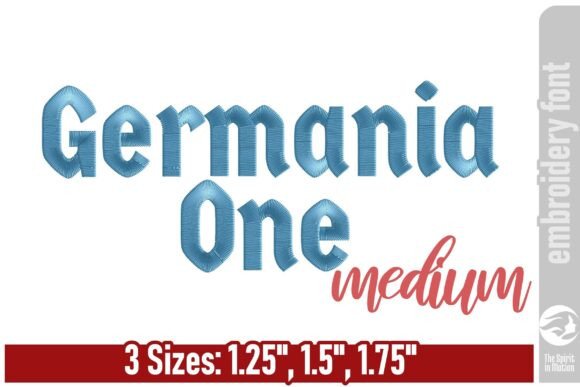
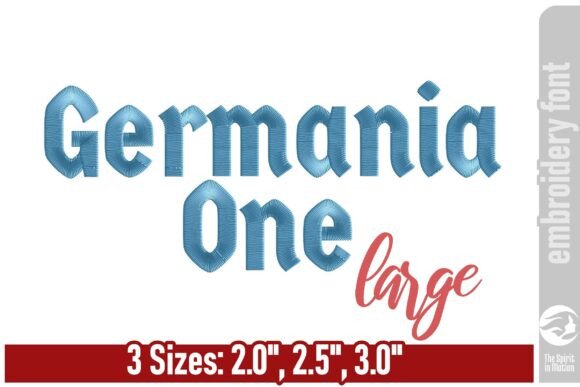
My initial assessment of Germania One Embroidery Font - Large is that it strikes a difficult balance between historical weight and contemporary readability. Many gothic fonts fail in embroidery because their intricate serifs turn into thread nests or become illegible at smaller sizes. However, this specific set feels intentionally modernized for digital embroidery files. The uppercase and lowercase letters possess a sturdy architecture that suggests premium quality rather than costume-like decoration.
For a creative studio, bakery, or boutique florist, this font communicates established trust and artisanal care. It does not feel playful or fleeting; it feels permanent. When used for a handmade product label or a café apron, the visual personality is rustic yet refined. It signals to the customer that the business values tradition and craftsmanship. Unlike standard block lettering, Germania One adds a layer of narrative depth to custom apparel, making it an excellent choice for brands wanting to differentiate themselves from generic corporate aesthetics.
Real-World Performance for Small Business Merch
In my professional workflow, I test fonts against specific merchandise applications. Germania One Embroidery Font - Large shows significant promise for several key business assets:
- Embroidered Patches: This is where the font shines brightest. The large scale allows the blackletter details to remain crisp when digitized for 3-inch or 4-inch patches. It works exceptionally well for motorcycle clubs, heritage clothing brands, or brewery logos where a shield or banner shape is involved.
- Apron Embroidery: For coffee shops and restaurants, chest logos need to be legible from a distance. The bold strokes of this font maintain visibility across a busy room without requiring excessive stitch density that could pucker lightweight canvas aprons.
- Tote Bag Design: Canvas tote bags are a staple for Etsy sellers and retail merchandising. The gothic aesthetic pairs naturally with unbleached cotton or heavy denim, creating a high-perceived value item that customers actually want to reuse.
- Cap Embroidery: While caps present challenges due to curvature, the "Large" designation of this font means it is best suited for flat brim hats or structured front panels where the design area is wider. The vertical stress of the letterform commands attention on headwear.
For commercial embroidery projects involving staff uniforms, this font elevates the perceived professionalism of the team. A work shirt embroidered with Germania One looks like part of a curated brand experience rather than a mandatory uniform.
Critical Limitations and Fabric Considerations
Despite its strengths, no embroidery file is universal. As a designer, I must highlight where caution is required to avoid production failures. The very nature of Blackletter typography involves varying stroke widths and angular terminals. When using Germania One Embroidery Font - Large, you must be mindful of the following constraints:
Size and Legibility Thresholds
Do not attempt to shrink this font down for tiny sleeve cuffs or collar tags. The intricate corners and internal spaces of gothic letterforms require physical space to render correctly. If the text height drops below 1 inch, the stitches may merge, causing thread breaks or illegibility. Always verify the minimum recommended size in your embroidery software before committing to a production run.
Fabric Texture and Stabilizer Pairing
This font demands a stable foundation. On textured fabrics like terry cloth or loose-knit sweaters, the sharp edges of the letters can get lost or sink into the pile. You must use an appropriate stabilizer—likely a cut-away for stretchy garments or a heavy tear-away for rigid canvas—to support the stitch density. Dark uniforms also present a challenge; if using metallic or light thread colors on black fabric, ensure adequate underlay stitching to prevent the fabric texture from showing through the satin columns.
Curved Surfaces and Distortion
While suitable for cap embroidery, the rigid geometry of Germania One can distort on highly curved surfaces. If digitizing for a rounded hat front, consider slightly adjusting the spacing or using a specialized cap hoop to minimize pull compensation issues. Test sew-outs are non-negotiable here.
Impact on Brand Identity and Customer Trust
Typography is the voice of your brand. In the context of small business merch, consistency builds recognition. Using Germania One Embroidery Font - Large across multiple touchpoints—from product packaging accents to event merch—creates a cohesive visual language. Customers associate the distinct blackletter style with your specific business, reinforcing memory and loyalty.
Furthermore, the "handmade" presentation achieved by this font justifies higher price points. A tote bag featuring a generic sans-serif logo looks like promotional swag; the same bag featuring a beautifully stitched Germania One monogram looks like a boutique accessory. This shift in perception directly influences buyer engagement and product value. For Etsy sellers and craft businesses, this font serves as a powerful design asset that bridges the gap between DIY charm and professional retail standards.
Professional Designer Notes for Production Success
Before you load this digital embroidery file into your machine for a client order or inventory batch, follow this professional checklist to ensure flawless results:
- Create a Printable Mockup: Before stitching, place the font in a mockup generator to show clients exactly how the gothic proportions will look on their specific garment. Approval saves costly re-dos.
- Test in Black and White First: Run a sew-out using black thread on white felt or muslin. This removes color variables and lets you inspect the pure stitch structure, spacing, and registration.
- Check Thread Color Contrast: Gothic fonts rely on edge definition. Ensure your thread color contrasts sufficiently against the base fabric. Low contrast kills the detail in blackletter designs.
- Inspect Spacing and Kerning: Automated digitizing sometimes leaves awkward gaps between angular letters. Manually adjust kerning to ensure the word reads as a unified shape rather than disjointed characters.
- Confirm Hoop Size Compatibility: Since this is the "Large" version, verify that your intended design fits comfortably within your hoop with adequate margin for stabilization. Overstretching fabric in the hoop leads to distortion.
- Verify Commercial Licensing: Always confirm the license terms included with your purchase. Ensure you have the rights to use the font for selling finished products or offering digitizing services to other businesses.
- Compare Beside Other Assets: Place Germania One next to your existing logo marks or icons. Ensure the visual weight matches. You do not want a delicate line-art icon overshadowed by heavy gothic text.
Germania One Embroidery Font - Large is a robust tool for the serious embroiderer. By respecting its technical requirements and leveraging its distinctive aesthetic, small businesses can create merchandise that feels authentic, valuable, and professionally executed. Whether you are outfitting a café team or launching a new apparel line, this font offers the structural integrity and stylistic flair necessary for successful commercial embroidery.