Germania One Embroidery Font Review
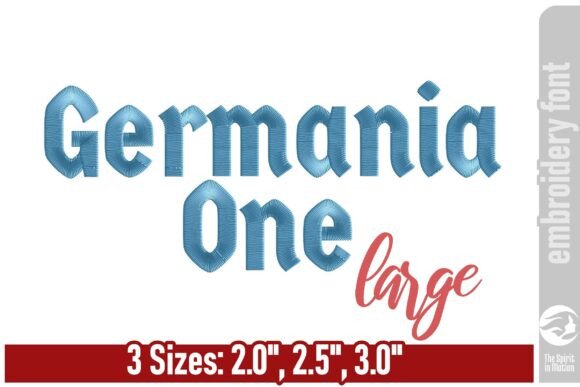
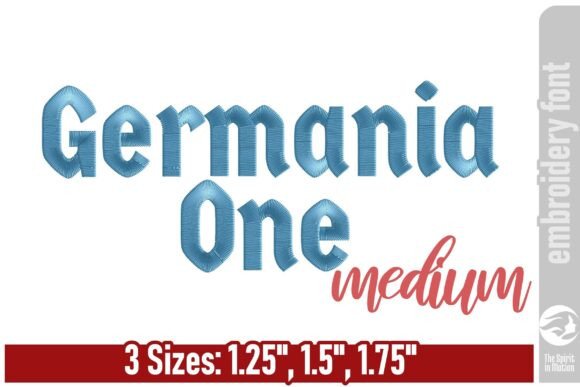
As an embroidery designer constantly curating collections for boutique apparel, finding the right typography is often the difference between a generic garment and a signature piece. When browsing Creative Fabrica embroidery resources for an upcoming seasonal line, the Germania One Embroidery Font - Medium immediately caught my attention. This bold and modernized Gothic Blackletter set promises a distinct aesthetic that bridges the gap between vintage tradition and contemporary streetwear. After analyzing its structure and visual weight, I see significant potential for this machine embroidery design in creating high-impact sweatshirt embroidery and custom hoodie designs that stand out in a saturated market.
Visual Personality and Stitching Mood
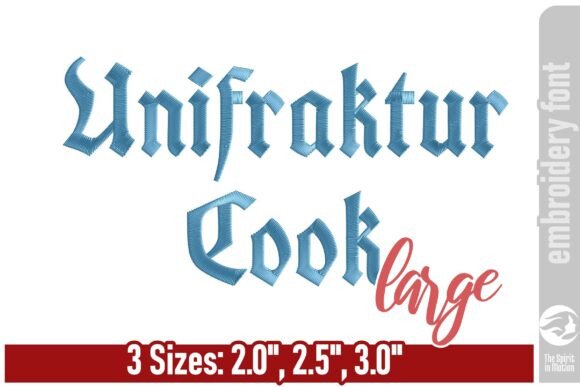
The first impression of Germania One Embroidery Font - Medium is one of confident authority. Unlike delicate script fonts that whisper, this typeface commands attention. It carries the historical weight of traditional blackletter but has been cleaned up for modern digitizing standards. The mood is undeniably premium yet accessible, making it ideal for brands targeting customers who appreciate heritage aesthetics with a fresh twist. For a boutique brand focusing on neutral tones or dark academia vibes, this font provides instant visual texture without requiring complex artwork.
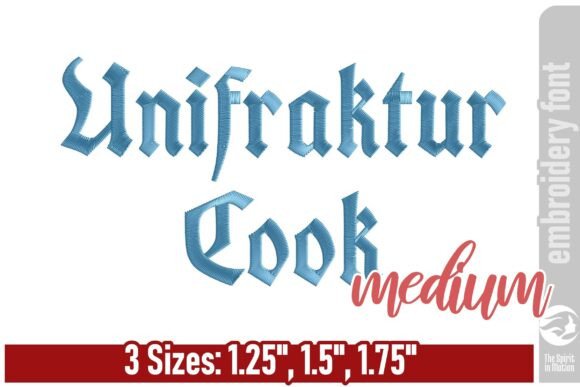
What makes this specific medium weight valuable is its balance. Heavy gothic fonts can sometimes become bulletproof patches of thread that pucker lightweight fabrics, while lighter versions may lose their character during the stitching process. The medium weight here appears optimized for apparel, offering enough stitch density to cover fabric texture effectively without becoming overly rigid. This makes it particularly suitable for cozy seasonal outfits where comfort is just as important as style.
Applications for Sweatshirts and Hoodie Designs
When planning a small shop product lineup, versatility is key. Germania One excels in several specific apparel applications:
- Chest Placement on Oversized Garments: The bold nature of this font works beautifully centered on the chest of oversized hoodies. It fills the negative space adequately without looking lost, especially when using contrasting thread colors against pastel or heather grey fleece.
- Sleeve Accents and Cuff Details: Because the letterforms are distinct even at smaller scales, they function well for vertical text running down a sleeve or horizontally across a wrist cuff. This adds a subtle branding element that elevates the perceived value of the finished product.
- Back Designs for Streetwear: For t-shirt embroidery or denim jackets, large-scale back prints using Germania One create a strong focal point. The gothic structure pairs exceptionally well with minimalist graphics or simple line art, allowing the typography itself to serve as the primary decoration.
- Tote Bag and Accessory Branding: Beyond apparel, this digital embroidery file translates well to canvas tote bags. The sturdy letterforms mimic printed typography, giving handmade products a professional, retail-ready appearance.
Navigating Fabric Challenges and Stabilization
While Germania One Embroidery Font - Medium is visually striking, experienced embroiderers know that gothic styles require careful technical execution. The angular corners and varying stroke widths demand proper stabilization to prevent distortion. When working with stretchy fleece or ribbed knit fabrics common in sweatshirt embroidery, I strongly recommend testing on scrap fabric first. A cut-away stabilizer is usually necessary to support the stitch density and maintain the crisp edges characteristic of blackletter fonts.
Pay close attention to placement on curved surfaces. Gothic fonts are structurally rigid; placing them over seams, pockets, or highly contoured areas can result in registration issues or a warped appearance. For hoodie designs, ensure the hooping area is flat and taut. If you are working with dark garments, verify that your underlay settings are sufficient to prevent the fabric grain from showing through the stitches, as the solid fill areas in this font can sometimes separate if the tension isn't balanced correctly.
Additionally, be mindful of tiny lettering. While this is a medium weight font, reducing it below a certain threshold may cause the intricate inner counters of the gothic letters to close up. Always confirm the minimum readable size by running a test stitch-out on the actual garment material you intend to use. Fleece behaves differently than cotton twill, and what looks sharp on screen may need adjustment for fabric texture.
Elevating Brand Identity and Buyer Trust
In the competitive landscape of Etsy sellers and independent clothing brands, typography signals quality. Using a specialized font like Germania One demonstrates intentionality. It tells the customer that the design was curated, not generated from a default system font. This level of detail builds buyer trust and enhances product recognition. When customers scroll through social media graphics or printable mockups, the distinctive silhouette of these letters creates immediate visual consistency across your collection.
For commercial embroidery businesses, offering this style can differentiate your services from competitors relying solely on standard block or script fonts. It appeals to niche markets interested in vintage revival, alternative fashion, and artisanal goods. The font’s ability to look equally at home on a rugged denim jacket and a soft pastel hoodie means you can expand your product range without purchasing multiple typefaces. This efficiency is crucial for creative entrepreneurs managing both design and production workflows.
Practical Designer Notes for Production
Before adding Germania One Embroidery Font - Medium to your next production run, consider these practical checkpoints to ensure professional results:
- Verify Licensing and File Details: Always review the specific Creative Fabrica product page to confirm licensing terms for commercial use and included file formats. Ensure the digital embroidery file format matches your machine’s requirements before purchasing.
- Thread Color Contrast Testing: Gothic fonts rely on edge definition. Test high-contrast combinations (like cream on charcoal) as well as tonal options (like sage on olive) to see which best suits your brand aesthetic. Tonal embroidery often reads as more luxurious and boutique-appropriate.
- Hoop Size Confirmation: Check the dimensions of the uppercase and lowercase sets against your available hoop sizes. Planning your layout digitally before stitching saves time and prevents mid-design resizing issues.
- Mockup Accuracy: When creating listing photos, use printable mockups that accurately represent the texture of embroidery. Since this font has significant visual weight, flat digital renders may not convey the tactile quality that sells handmade products.
- Stitch Density Inspection: Open the embroidery file in your editing software to inspect the stitch pathing. If you plan to resize the font significantly, you may need to adjust density parameters to prevent thread breaks or fabric damage.
Germania One Embroidery Font - Medium represents a thoughtful addition to any apparel decorator’s toolkit. Its blend of historical charm and modern usability makes it a reliable choice for creating memorable, high-value garments. By respecting the technical requirements of gothic embroidery and leveraging its bold personality strategically, you can transform basic blanks into coveted boutique pieces that resonate with your target audience. Whether you are launching a new Etsy shop or refreshing an established brand’s merchandise, this font offers the distinctive character needed to make your work unmistakably yours.