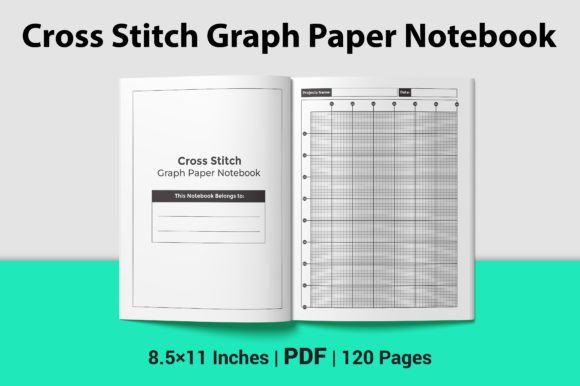
Cross Stitch Graph Paper Notebook: A Merch Review
As a professional embroidery designer specializing in small business merchandise and branded assets, I constantly evaluate new resources that can bridge the gap between digital planning and physical production. When reviewing the Cross Stitch Graph Paper Notebook, specifically the interior designed for Amazon KDP, my perspective shifts from simple stationery to potential utility in commercial embroidery workflows. While this product is categorized under Kdp Interiors and Graphics, its application extends far beyond publishing. For apparel decorators, Etsy sellers, and handmade brands, understanding how this grid-based asset translates into an embroidered patch, uniform detail, or brand identity element is crucial for maximizing return on investment.
First Impressions: Professional Utility Meets Handmade Charm
My first impression of the Cross Stitch Graph Paper Notebook is one of structured creativity. The aesthetic strikes a balance between technical precision and rustic warmth. For a small business owner, this duality is valuable. It does not feel overly industrial, nor does it feel childish. Instead, it projects a sense of organized craftsmanship. When adapted for small business merch, this visual personality suggests a brand that values both tradition and accuracy.
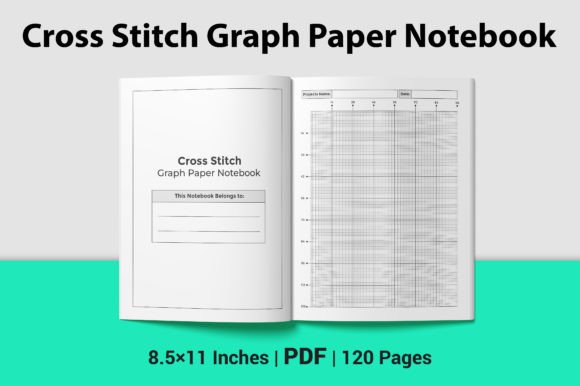
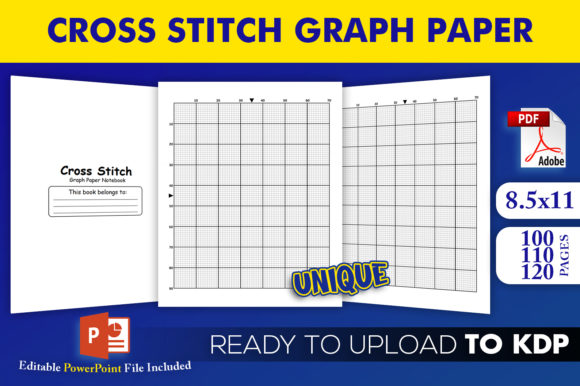
The 8.5×11 inch dimensions and "No Bleed" specification indicate clean margins, which is excellent news for digitizers. In commercial embroidery, we often struggle with designs that have undefined edges. Because this notebook interior respects strict boundaries, extracting motifs or utilizing the grid structure for custom logo placement becomes significantly easier. The available page counts (100, 110, 120) offer variety for those creating physical planner products, but for the embroiderer, the consistency of the grid across these variations ensures that your brand identity remains stable whether you are printing a single prototype or a full run of merchandise.
Real-World Applications for Branded Merchandise
In my studio, I test every design asset against real-world scenarios. Here is how the Cross Stitch Graph Paper Notebook concept performs when translated into tangible business goods:
- Bakery and Café Aprons: The graph paper motif serves as an exceptional background texture for apron embroidery. It provides a subtle, textured backdrop that makes foreground logos pop without overwhelming the garment. This works particularly well for businesses wanting to emphasize recipes, measurements, or artisanal precision.
- Etsy Seller Packaging: Using this design as a printable insert or sticker creates a cohesive unboxing experience. When customers receive a handmade product wrapped in packaging that mirrors the seller’s cross-stitch aesthetic, perceived value increases immediately.
- Staff Uniforms and Caps: For creative studios or florists, a pocket-sized version of this graph design works beautifully as a sleeve accent or cap embroidery. It signals attention to detail and aligns staff appearance with the shop’s interior decor.
- Tote Bag Design: Large-scale tote bags benefit from the repetitive nature of graph grids. As a tote bag design, it offers ample negative space for customization while maintaining a strong graphic presence that reads well from a distance at markets or craft fairs.
Technical Considerations for Embroidery Production
While the Cross Stitch Graph Paper Notebook is visually appealing, translating a printed PDF interior into a machine embroidery design requires caution. Not every graphic element survives the transition to thread. As an experienced digitizer, I advise paying close attention to the following limitations:
Stitch Density and Fabric Texture
Graph paper implies lines, and in embroidery, lines equal stitches. If you attempt to replicate the entire grid on a lightweight fabric, the stitch density will cause puckering or tearing. You must adapt the design. Use the grid as a conceptual guide rather than a literal stitch map. On textured fabrics like canvas or denim, fine grid lines may get lost. Always test on the actual fabric texture intended for the final product before committing to bulk production.
Sizing and Hoop Constraints
The original 8.5×11 format is irrelevant once you move to embroidery; what matters is your hoop size. Small patches require simplified versions of the graph motif. Tiny lettering or intricate grid intersections often fail at sizes under three inches. Before purchasing any digital embroidery file derived from this notebook style, confirm the minimum recommended size. If the details are too fine for a standard cap hoop, the design will need significant editing to remain legible.
Washability and Durability
For items requiring frequent washing, such as chef coats or salon capes, high-detail graph designs can degrade. Thread colors may bleed, and dense satin stitches used for grid lines can pull over time. Ensure you are using appropriate stabilizer and high-quality threads. For dark uniforms, verify that the contrast between the thread and fabric maintains the integrity of the graph pattern after multiple wash cycles.
Impact on Brand Identity and Customer Trust
Why go through the effort of adapting a Cross Stitch Graph Paper Notebook for merchandise? Because specificity builds trust. Generic clip art tells customers nothing about your process. A branded asset rooted in the precise, deliberate nature of graph paper communicates professionalism. It tells the buyer that you plan, measure, and care about the outcome.
For embroidery shops offering custom apparel, using this aesthetic helps differentiate your services from competitors using stock vectors. It positions your business as a specialist in needle arts rather than a general printer. When clients see a printable mockup featuring this sophisticated grid aesthetic, they perceive higher value in the finished embroidered goods. This visual consistency across digital planners, physical notebooks, and embroidered merchandise creates a unified brand ecosystem that encourages customer loyalty and recognition.
Designer Notes: Best Practices Before Production
Before integrating the Cross Stitch Graph Paper Notebook into your commercial workflow, follow these practical steps to ensure success:
- Verify Licensing: This product is listed as a KDP Interior. Confirm explicitly whether the license permits use in physical merchandise or digitized embroidery files. Do not assume commercial rights for apparel based solely on the ability to download the PDF.
- Black and White Testing: Always digitize and test the design in black and white first. This reveals structural issues with spacing and density that color might hide.
- Check Thread Contrast: Graph designs rely on line clarity. Select thread colors that offer sufficient contrast against your base fabric. Low-contrast combinations will make the grid disappear.
- Create Client Mockups: Never skip the printable mockup stage. Show clients exactly how the graph aesthetic translates to their specific garment. Manage expectations regarding detail loss at small sizes.
- Compare Design Assets: Place this design beside your existing branding elements. Does the weight of the graph lines match your current logo? Visual harmony is essential for professional design assets.
- Test Stabilization: Run a sample on scrap fabric using your planned stabilizer setup. Adjust tension and backing weight specifically for the linear nature of graph patterns to prevent distortion.
The Cross Stitch Graph Paper Notebook represents more than just a publishing asset; it is a foundational element for businesses built on precision and craft. By respecting its technical constraints and leveraging its unique aesthetic, small business owners can create merchandise that feels authentic, professional, and distinctly handmade. Whether used for a boutique label, a café uniform, or a digital planner companion, this design resource offers a pathway to elevated brand presentation when executed with the care of an experienced embroidery professional.