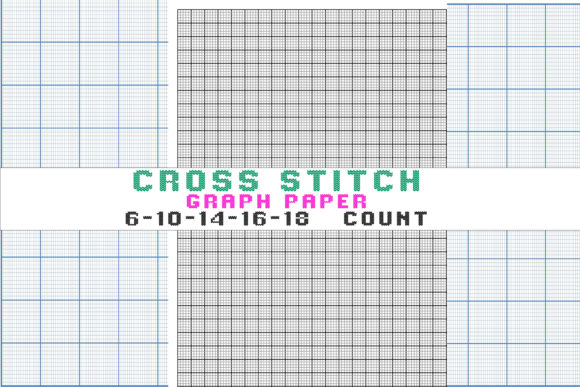
Cross Stitch Graph Paper for Apparel Design
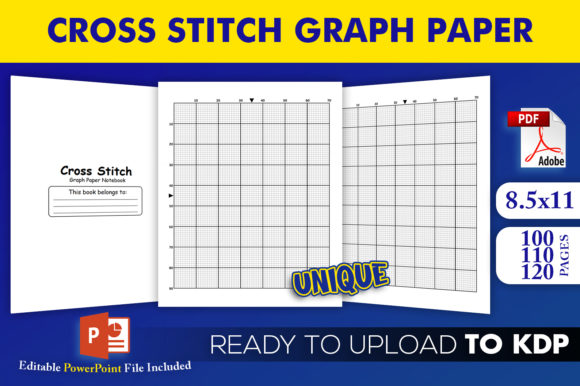
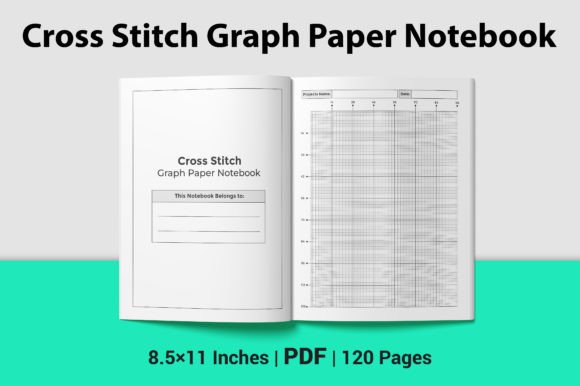
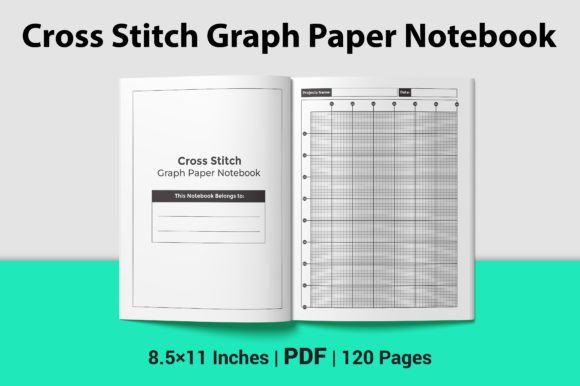
As an embroidery designer constantly scouting for versatile assets on Creative Fabrica, I often look beyond the immediate product title to find hidden potential for boutique apparel. When I first encountered "Cross Stitch Graph Paper," it was listed under KDP Interiors and Graphics, intended primarily for printable journals or low-content books. However, viewing this through the lens of a clothing brand owner, I immediately saw a different application. This resource is not just for paper; it is a foundational tool for creating structured, pixel-perfect machine embroidery designs that translate beautifully onto sweatshirts, hoodies, and custom apparel.
Visual Personality and Boutique Aesthetic
The visual mood of Cross Stitch Graph Paper is distinctly nostalgic yet modern. For those of us running handmade product lines or Etsy shops, this aesthetic bridges the gap between traditional needlework and contemporary streetwear. The grid structure implies precision and intentionality. When adapted for apparel, this graph paper style evokes a premium, artisanal feel that differs significantly from standard clip art. It feels curated rather than mass-produced.
In my assessment, this design language works exceptionally well for neutral sweatshirts and pastel hoodies where the texture of the garment needs to harmonize with the graphic. The geometric nature of the graph paper provides a clean backdrop that allows thread colors to pop without overwhelming the fabric texture. Whether you are aiming for a rustic farmhouse vibe or a trendy minimalist look, the underlying grid offers a professional consistency that elevates the perceived value of small shop products. It signals to the buyer that the item was designed with architectural care, boosting brand identity and buyer trust.
Adapting Graphics for Sweatshirt and Hoodie Embroidery
While the product description highlights a ready-to-upload PDF, PowerPoint source files, and JPEG images for digital sellers, the true value for apparel decorators lies in customization. As an experienced designer, I appreciate that the included PPT and editable files allow me to manipulate the grid before digitizing. This is crucial for commercial embroidery where stitch density and hoop size must be calculated precisely.
For a new hoodie collection, I envision using these graph elements as chest placements or sleeve accents. The editability means I can isolate specific grid sections to create borders, frames for text, or standalone geometric motifs. On oversized garments, the structured lines of the Cross Stitch Graph Paper help anchor the design visually, preventing it from looking lost on large expanses of fleece. For tote bags and denim jackets, the high-contrast JPEGs serve as excellent references for digitizing crisp, defined edges that mimic the look of hand-stitched cross stitch but with the durability of machine embroidery.
Strategic Placement on Various Garments
- Sweatshirt Chest: Use scaled-down grid segments to frame monograms or small icons. The graph paper aesthetic adds a technical, retro-sportswear element to casual wear.
- Hoodie Sleeves: Vertical strips of the graph pattern work beautifully down the forearm, utilizing the natural line of the garment to enhance the visual flow.
- Tote Bags: The flat surface of canvas totes is ideal for larger, denser interpretations of the graph paper design, allowing for higher stitch counts without distortion.
- Back Designs: For lifestyle product photos and social media graphics, a large back print utilizing the full editable grid creates a bold statement piece that photographs well for Etsy listings.
Technical Considerations for Apparel Decorators
Transitioning a graphic asset like Cross Stitch Graph Paper from a digital interior to a physical garment requires careful technical judgment. Just because a file is editable does not mean it is automatically stitch-ready. As a professional, I must emphasize that the provided files are graphical sources. You will need to use embroidery software to convert these visuals into a viable embroidery file suitable for your specific machine.
Stitch density is the primary concern here. Graph paper designs inherently suggest uniformity, which can lead to excessive stitch counts if not managed correctly. On stretchy fabrics like ribbed cuffs or lightweight t-shirts, a dense grid can cause puckering or fabric distortion. I strongly advise testing on scrap fabric that matches your production garment weight. Confirm your stabilizer choice; a cut-away stabilizer is often necessary for fleece and knit sweatshirts to maintain the geometric integrity of the graph lines during and after stitching.
Furthermore, consider the hoop size limitations. While the PowerPoint files allow for seamless editing, your physical hoop dictates the maximum continuous design area. Breaking a large graph paper design into smaller, re-hooped sections can ruin the seamless aesthetic. Plan your placement carefully to fit within your equipment's capabilities while maintaining the design's visual rhythm.
Enhancing Brand Value and Product Presentation
Beyond the physical stitching, Cross Stitch Graph Paper serves as a powerful asset for digital marketing and product presentation. The included JPEG images and editable PPT files are invaluable for creating printable mockups and social media graphics. Consistency across your physical products and digital storefront builds recognition. When customers see the same precise, grid-based aesthetic in your Instagram posts, Etsy banner, and on the actual sweatshirt they receive, it reinforces a cohesive boutique brand identity.
Using this resource also aids in customer engagement. The "graph paper" concept invites storytelling. You can market your custom apparel as being inspired by traditional charting methods, appealing to crafters and non-crafters alike who appreciate the homage to handmade heritage. This narrative layer adds depth to your listings, distinguishing your commercial embroidery products from generic alternatives. The ability to customize the source files ensures that no two brands will use the asset in the exact same way, protecting the uniqueness of your small shop product line.
Designer Notes for Safe Production
Before launching a collection based on this Creative Fabrica embroidery asset, adhere to these practical protocols:
- Verify Licensing: Always review the specific license terms on the product page. Ensure that converting these graphics into embroidered merchandise for sale is permitted under the current agreement.
- Test Contrast: Graph paper relies on line clarity. Test thread colors against dark garments and light garments separately. Low contrast can make the grid disappear, defeating the purpose of the design.
- Avoid High-Stress Areas: Do not place dense graph designs over seams, zippers, or highly curved areas of the garment. The rigidity of the stitched grid will not conform well to complex curves and may lead to premature wear or tearing.
- Digitize Responsibly: Since this is sold as a graphic/KDP interior, there is no pre-digitized embroidery file included. Factor in the time and cost of professional digitizing or self-digitizing when calculating your product margins.
- Check File Compatibility: Ensure the PowerPoint and JPEG source files integrate smoothly with your workflow before purchasing. Confirm that the resolution of the JPEGs is sufficient for tracing or auto-digitizing if that is your preferred method.
Cross Stitch Graph Paper represents a unique intersection of digital planning tools and textile art. For the apparel decorator willing to bridge the gap between graphic design and needlework, it offers a fresh, structured aesthetic that stands out in a saturated market. By treating this asset as a blueprint for custom apparel rather than just a book interior, you unlock new possibilities for boutique branding and creative expression. Always approach the transition from screen to fabric with technical diligence, and this resource can become a staple in your seasonal design rotation.