Embroidery Thread Clip Art: 100 Colors Review
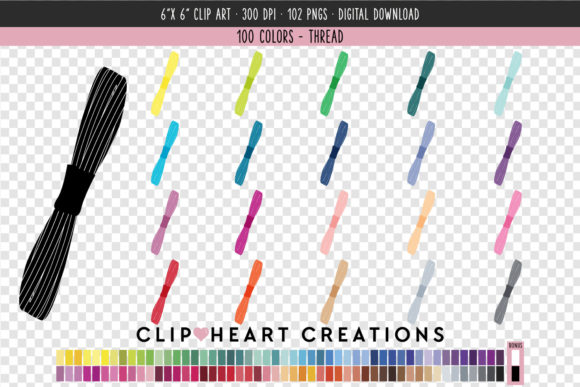
As I prepare my booth inventory for the upcoming weekend craft fair, my focus shifts from digital screens to tangible, sellable goods. When evaluating a new machine embroidery design or graphic asset like Embroidery Thread Clip Art - 100 Colors, I am not just looking at pretty pixels; I am assessing production viability and customer appeal. This specific collection of graphics promises versatility across scrapbooking, cards, stickers, and fabric applications. For an embroidery business owner or Etsy seller, a library of 100 distinct color representations is a significant asset, but it requires strategic application to translate into profitable handmade products.
First Impressions and Booth Aesthetics
Upon reviewing Embroidery Thread Clip Art - 100 Colors, the immediate impression is one of organized vibrancy. These icons do not lean heavily into rustic or distressed farmhouse aesthetics; rather, they feel modern, clean, and distinctly creative. The visual language suggests precision and variety, which appeals directly to fellow makers and customers who appreciate the technical artistry of needlework. For a craft fair table display, this aesthetic reads as professional and curated.
The "cute" factor here is balanced by utility. Unlike novelty designs that might only sell seasonally, these graphics possess a timeless quality relevant to sewing enthusiasts year-round. As an experienced designer, I see this collection as a bridge between digital assets and physical merchandise. The boldness of thread spool iconography allows for high visibility from a distance, crucial for catching the eye of shoppers walking past a crowded vendor hall. However, the elegance lies in the potential color variations, allowing for a cohesive brand look across diverse product lines without appearing repetitive.
Translating Graphics to Physical Craft Fair Products
The true test of any digital embroidery file or graphic set is its performance on actual merchandise. While the description highlights paper crafts and web graphics, my review focuses on where Embroidery Thread Clip Art - 100 Colors excels in a textile environment. Here is how I evaluate its placement on key booth items:
- Tote Bag Design: Canvas totes are a staple for market sellers. These clip art icons serve as excellent pocket-sized accents or large central focal points. Because the subject matter relates to crafting itself, these bags become meta-merchandise that other sewists want to buy to carry their own supplies.
- Apron Embroidery: For aprons, I recommend using these graphics as chest logos or lower pocket embellishments. The association between thread imagery and kitchen/workwear creates a natural thematic link that customers understand instantly.
- Tea Towel Embroidery: Linen and flour sack towels benefit from the lighter, airier nature of thread icons. Unlike dense floral designs that can make a towel stiff, these graphics often allow for better drape and absorbency, maintaining the functional integrity of the handmade product.
- Embroidered Patches: This is perhaps the strongest use case. Creating patches featuring specific thread colors or palettes allows for modular selling. Customers can pick patches that match their favorite brands or current projects, increasing the average transaction value at the booth.
- Fabric Pouches and Zipper Bags: Small zipper pouches used for organizing bobbins or needles are perfect canvases. The scale of these icons fits perfectly within standard 4x4 or 5x7 hoop sizes without requiring excessive resizing.
Production Viability and Batch Manufacturing
For a small shop product line, efficiency is paramount. Embroidery Thread Clip Art - 100 Colors offers a distinct advantage in batch production. Because the core shape remains consistent while only the fill color changes, I can streamline my workflow. I can hoop multiple items or use a multi-position hoop to stitch out various colorways in a single session. This repeatability reduces setup time and stabilizer waste, directly improving profit margins on commercial embroidery runs.
Photographing these items for online listings is equally straightforward. The recognizable shape of thread spools or skeins photographs clearly even in thumbnail size, which is vital for Etsy SEO and mobile browsing. When creating a printable mockup for digital sales or custom order previews, having 100 accurate color references ensures that what the customer sees on screen matches the physical output, reducing return rates and customer service inquiries.
Critical Technical Considerations for Makers
Despite the versatility, there are practical limitations that every embroidery designer must respect. Before committing to a full production run, consider these technical constraints regarding Embroidery Thread Clip Art - 100 Colors:
- Stitch Density and Fabric Texture: If converting these vector graphics into embroidery files, be wary of solid fills on textured fabrics like terry cloth or waffle weave. High stitch density combined with uneven fabric texture can lead to registration issues or puckering. Always adjust underlay stitches accordingly.
- Small Lettering and Details: Many thread clip art designs include text labels for color names or numbers. At smaller sizes, this text can become illegible or cause needle breaks. Test the minimum viable size before stitching on finished goods. If the text is too small, consider removing it or replacing it with a simpler color block.
- Curved Surfaces: When applying these designs to caps or curved pouches, the flat geometry of a spool icon may distort. Use appropriate cap stabilizers and consider modifying the design to accommodate the curve, or stick to flat surfaces for the most accurate representation.
- Thread Contrast: With 100 colors available, ensure you have adequate contrast between the design and the base fabric. A dark navy thread spool icon will disappear on a black tote bag. Visual clarity drives sales; if the customer cannot discern the design from three feet away, it will not attract attention at a busy market.
Designer Notes for Successful Implementation
To maximize the selling potential of this collection, treat your preparation phase as seriously as the stitching phase. Always test the design on scrap fabric that matches your final product weight. Verify that your chosen stabilizer supports the stitch count without adding unnecessary bulk. Confirm your hoop size accommodates the design with adequate margin for clean hooping.
Furthermore, review the licensing terms included with Embroidery Thread Clip Art - 100 Colors. Ensure you have the right to use these graphics for commercial embroidery products or if they are restricted to personal use or digital-only applications. Respecting intellectual property protects your business reputation. Finally, create at least one real sample of each intended product type before the fair. Digital mockups are useful, but nothing replaces the confidence of holding a finished tea towel or patch in hand to verify quality.
Enhancing Brand Value and Customer Engagement
Ultimately, incorporating Embroidery Thread Clip Art - 100 Colors into your inventory signals to customers that you are deeply embedded in the maker community. These designs resonate because they celebrate the tools of our trade. Whether used as a subtle accent on a gift tag or a bold statement on a market bag, they reinforce brand consistency and showcase technical proficiency.
By leveraging these graphics thoughtfully, you transform simple icons into engaging conversation starters at your booth. Customers will ask about the colors, relate to the imagery, and appreciate the craftsmanship. In the competitive landscape of handmade markets, products that tell a story and demonstrate expertise are the ones that move from the table to the shopping bag. Evaluate this collection not just as art, but as a strategic tool for building a recognizable, profitable embroidery business.